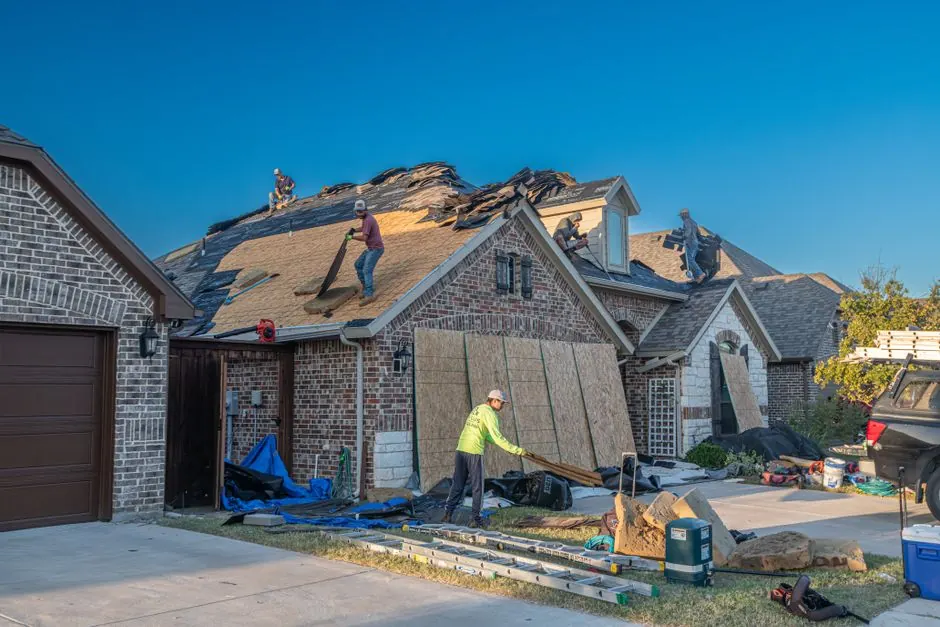
When severe Oklahoma winds strip the shingles off your home, you face an immediate financial and structural crisis. Many homeowners hesitate to touch their roof because they worry that installing a temporary patch will ruin the evidence before an insurance company representative can inspect the loss. This confusion often leads to costly delays. Leaving your structural decking exposed to the elements while waiting days or weeks for an inspection is one of the most expensive mistakes you can make in Cleveland County.
The truth is simple: you should never leave a damaged roof uncovered. Standard homeowners insurance policies across Oklahoma include a strict legal clause called the "Duty to Mitigate Loss." This contract rule means you are legally obligated to take immediate, reasonable steps to protect your property from secondary weather damage. If you leave a wind-torn roof bare and a subsequent thunderstorm floods your attic, your insurance carrier can legally refuse to pay for the ruined ceilings, wet insulation, and stained drywall. This guide explains how to balance your mitigation duties with your claims process so you can secure your home without hurting your payout.
Understanding Wind Damage
Straight-line winds and microbursts create intense negative pressure as they blast across a residential structure. This aerodynamic force behaves like an airplane wing, lifting materials upward rather than just pushing them sideways. On older homes near Downtown Norman or high-exposure areas near Interstate 35, high-velocity gusts can unzip entire shingle fields in a matter of seconds. Once the outer waterproofing layer is pulled away, the underlying plywood decking is completely defenseless against the next rain front.
When evaluating your property after a severe wind storm, you must check for these critical structural failures:
- Creased or unsealed shingle tabs: High winds break the sticky thermal sealant strip underneath your shingles, lifting them up and creasing the asphalt fabric so they can no longer shed rainwater.
- Exposed roof deck plywood seams: Severe storm fronts can pull up the black asphalt underlayment paper completely, leaving the raw wood decking gaps open to direct attic saturation.
- Damaged perimeter drip edges: Wind easily catches loose aluminum perimeter trim, bending the metal flashings backward and allowing rain to drive straight into your wooden fascia boards and rafter tails.
Recognizing these signs early can help mitigate further damage.
Immediate Steps After Wind Damage
The hours immediately following a severe Oklahoma wind storm are critical for your insurance claim. Before you touch anything on your property, you must establish a clear timeline of the destruction. Insurance adjusters require absolute proof that the storm, and not standard wear and tear, caused the structural failure. If you clear away debris or install a patch without documenting the initial state of the house, your carrier may claim the leak was a pre-existing maintenance issue.
When you notice significant damage, consider contacting a local Norman professional for storm and hail damage tarping. They can provide immediate assistance in protecting your property.
To protect your rights and keep your family safe during the initial assessment phase, follow these steps before the help arrives.
- Check for structural ground hazards: Walk your lawn carefully to check for snapped overhead electrical drops, downed power lines, or loose masonry that could fall from your chimney.
- Capture timestamped digital photos: Take wide-angle shots of your entire house, close-up photos of torn shingles lying in your yard, and pictures of any fresh internal water spots on your drywall ceilings.
- File your initial notice of loss: Contact your insurance company immediately to open a claim and secure your official claim number, informing them that you are taking rapid steps to keep the interior dry.
Should You Tarp Your Roof Immediately?
Waiting several days for an insurance adjuster to climb your roof before you install a temporary barrier is a massive gamble. During peak storm seasons in Cleveland County, local adjusters are overwhelmed with hundreds of claims, meaning it can take over a week for an inspector to visit your property. Leaving your home's envelope open to the elements during that time guarantees that a standard rain shower will turn minor shingle damage into a massive internal indoor flood.
Putting up a heavy-duty emergency tarp immediately provides several critical legal and financial protections for your household:
- Eliminates the "neglect" exclusion: If you leave a roof bare, insurance adjusters can use your policy's neglect clause to deny coverage for any interior drywall, flooring, or furniture ruined by later rains.
- Preserves structural framing strength: Sealing out incoming rain keeps your attic rafters, roof trusses, and blown-in fiberglass insulation completely dry, preventing dangerous wood rot and ceiling sagging.
- Guarantees emergency cost reimbursement: Most standard homeowners insurance policies fully cover the cost of professional emergency mitigation services, separate from your main structural repair limits.
Even if you plan to wait for an adjuster, taking proactive measures can save you time and money in repairs.
Waiting for the Adjuster: Pros and Cons
Many homeowners worry that changing anything on the roof before an insurance representative arrives will ruin their claim. While it is important to preserve evidence, you must weigh that concern against the physical risks of leaving your house completely unprotected during an Oklahoma storm season.
Understanding the operational trade-offs of waiting helps you make a safer choice for your household:
- Leaving the roof bare allows the field adjuster to see the exact state of the wind damage first-hand, which can sometimes speed up their initial damage assessment report.
- Coverage for repairs may be guaranteed.
- Waiting days or weeks for an adjuster appointment leaves your open roof decking completely exposed to sudden Cleveland County rainstorms, which can trigger massive interior water damage.
- Trapped rainwater inside a hot attic creates a breeding ground for toxic black mold within 24 to 48 hours, turning a simple shingle repair into an expensive remediation project.
In Norman, where storms can be frequent, the risk of waiting can outweigh the benefits. It's essential to act quickly.
Best Practices for Roof Tarping
If you choose to install a temporary barrier yourself before the insurance adjuster arrives, you cannot just throw a standard blue tarp down with loose bricks or bungee cords. High Oklahoma winds will slip under the fabric, lift it like a sail, and tear the material away instantly. You must use mechanical fastening methods that lock the system down tight against the structure.
To ensure your temporary dry-in survives the weather without compromising your insurance claim, apply these essential roofing protocols:
- Extend the fabric over the peak line: Always pull the top edge of your tarp completely over the highest ridge cap of your roof. If you stop below the peak, running water will flow straight underneath your patch and flood your home.
- Use wooden termination strips: Wrap the edges of the tarp around 2x4 boards or furring strips. Drive long, heavy-duty screws through the wood and the tarp directly into your roof decking to distribute wind pressure evenly.
- Take extensive photos before installing: Capture clear, close-up, digital photos of the missing shingles and wind damage before you lay the tarp down, so your adjuster has undeniable proof of the initial storm impact.
Investing time in proper tarping can significantly reduce the risk of further damage while you await repairs.
Common Mistakes to Avoid
Installing an emergency tarp after a severe wind event leaves zero room for error. If you choose the wrong materials or attach the fabric incorrectly, you can cause serious physical damage to your underlying structure and put your insurance payout at risk. To ensure your home stays dry and your insurance carrier approves your final claim without any pushback, make sure you avoid these frequent mistakes:
- Using thin, retail-grade blue tarps: Standard blue tarps from local hardware stores are too weak for Oklahoma weather. The intense sun and strong wind gusts in Cleveland County will shred thin plastic within a few days, leaving your attic exposed to the next rainstorm.
- Puncturing undamaged shingle fields blindly: Driving screws or roofing nails directly through clean, unbroken shingles creates dozens of fresh leak points. Professional crews always wrap tarp edges around wooden furring strips to keep the system tight while minimizing deck punctures.
- Leaving heavy debris under the plastic layer: Tarping directly over loose tree branches, broken shingle tabs, or shattered attic vents is a major mistake. The sharp edges will rub against the fabric during high winds and cut the tarp open, letting water pour straight inside.
- Forgetting to log the initial state of the roof: Covering up wind damage before taking clear, high-resolution digital photos destroys your physical proof of loss. If the insurance adjuster cannot see the initial storm impact, your carrier may claim the leak was caused by old, unmaintained shingles.
Avoiding these common pitfalls can help protect your home and streamline the insurance process.
When to Call a Professional
In many cases, especially after severe wind damage, it's wise to call a professional. If you're unsure about the extent of the damage or how to tarp effectively, reach out to Roof Tarping Pros Norman. Their expertise can provide peace of mind and ensure your home is protected properly.
Get help with Roof Tarping in Norman
If you're facing roof damage after a storm, don't hesitate to reach out for professional assistance. Call us at (405) 279-0658 for expert roof tarping services in Norman.